Adapting Customized Token Collections to Analytical Methods in Residential Gaming Activities
Written by Viktor Griffin · Oct 30, 2026
Adapting Customized Token Collections to Analytical Methods in Residential Gaming Activities
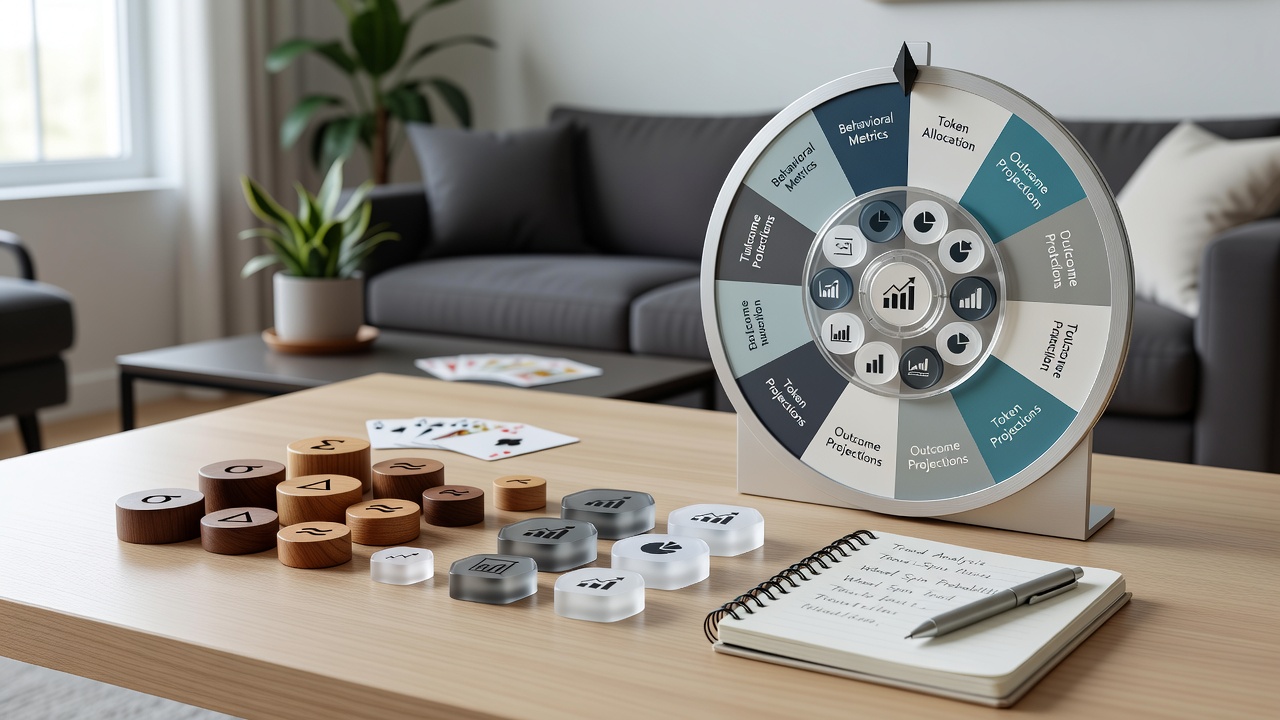
Custom token collections allow participants in residential card and wheel activities to organize resources in ways that align with probability tracking and sequential decision frameworks, and manufacturers have expanded options in recent years to include varied denominations, finishes, and labeling systems that support such structures.
Those who study home gaming setups observe that standard chip assortments often fall short when users apply structured betting sequences, whereas tailored sets provide clearer visual segmentation that reduces errors during rapid calculations.
Denomination Structures and Tracking Efficiency
Participants frequently select chip values that mirror common bet increments found in analytical models such as progression systems or expected-value calculations, and this alignment lets users maintain running totals without constant mental conversion. Data from equipment suppliers indicates rising demand for sets that incorporate 1-unit, 5-unit, 25-unit, and 100-unit increments alongside specialty markers for larger positions.
Color differentiation further supports these patterns by enabling quick identification during multi-hand sequences, while observers note that sets with high-contrast edges perform better under typical indoor lighting conditions common in residential spaces.
Material and Finish Choices for Repeated Analytical Use
Polymer composites and metal-infused tokens offer distinct tactile feedback that some players associate with consistent handling during extended sessions, and research on gaming equipment durability shows that certain alloys resist wear better when subjected to frequent stacking and shuffling motions. Those configuring home collections often weigh these properties against cost, since heavier tokens can influence perceived value in probability-based exercises.
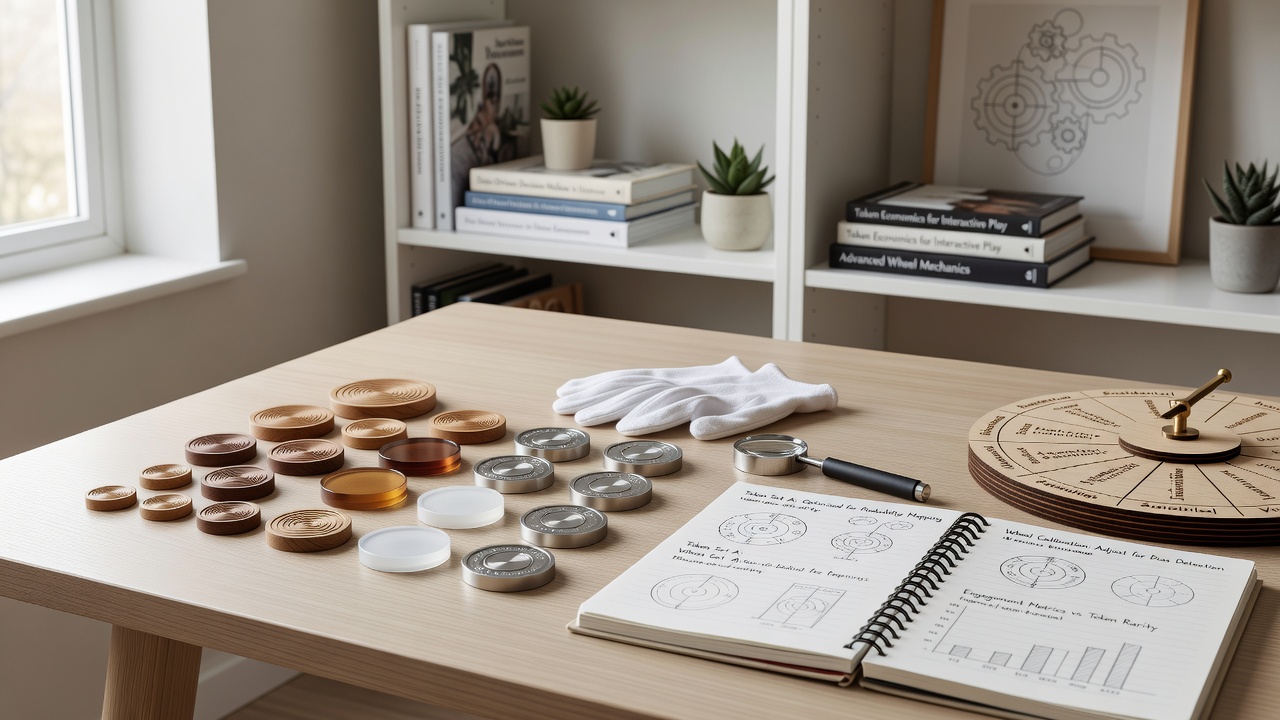
Labeling options such as engraved numbers or UV-reactive inks appear in newer product lines, and these features allow users to incorporate additional data points into their physical layouts without relying solely on memory.
Integration With Established Analytical Approaches
Card counting techniques and wheel bias assessments require precise record-keeping, and custom token arrangements can function as external memory aids when players assign specific colors to different statistical categories. Industry reports from the American Gaming Association highlight how organized physical resources correlate with improved adherence to predetermined strategies in controlled environments.
One documented approach involves separating tokens into dedicated trays that correspond to bet tiers derived from simulation software, and this physical mapping reduces the cognitive load during live play. As of October 2026, suppliers continue to release modular storage solutions that accommodate these compartmentalized methods.
Regional Equipment Standards and Home Adaptation
Regulatory frameworks in various jurisdictions establish baseline specifications for casino-grade tokens, and home users sometimes reference those guidelines when selecting collections. A report issued by the Nevada Gaming Control Board outlines material and size tolerances that many manufacturers apply across both commercial and consumer lines, while Canadian provincial gaming authorities publish similar technical criteria that influence product availability in North American markets.
These standards help ensure consistency, yet residential applications allow greater flexibility in mixing denominations and finishes to match individual analytical preferences.
Practical Configuration Examples
Take one household that adopted a three-tier color system where neutral tones represent base bets, saturated hues mark deviation adjustments, and metallic accents indicate session-end tallies, and the arrangement reportedly streamlined post-round reviews. Another setup documented in hobbyist forums pairs low-denomination chips with printed probability tables, allowing quick cross-referencing during wheel spins.
Storage cases with magnetic dividers further support these systems by keeping tokens grouped according to analytical categories rather than simple numerical order.
Conclusion
Custom token collections provide measurable organizational benefits when aligned with analytical approaches in residential card and wheel activities, and continued product development suggests sustained interest in configurations that bridge physical equipment with structured decision processes. Users who examine supplier catalogs and equipment specifications gain access to components that directly support their preferred tracking methods.