Precision Alloys and Their Impact on Roulette Wheel Balance in Compact Home Environments
Written by Viktor Griffin · Nov 13, 2026
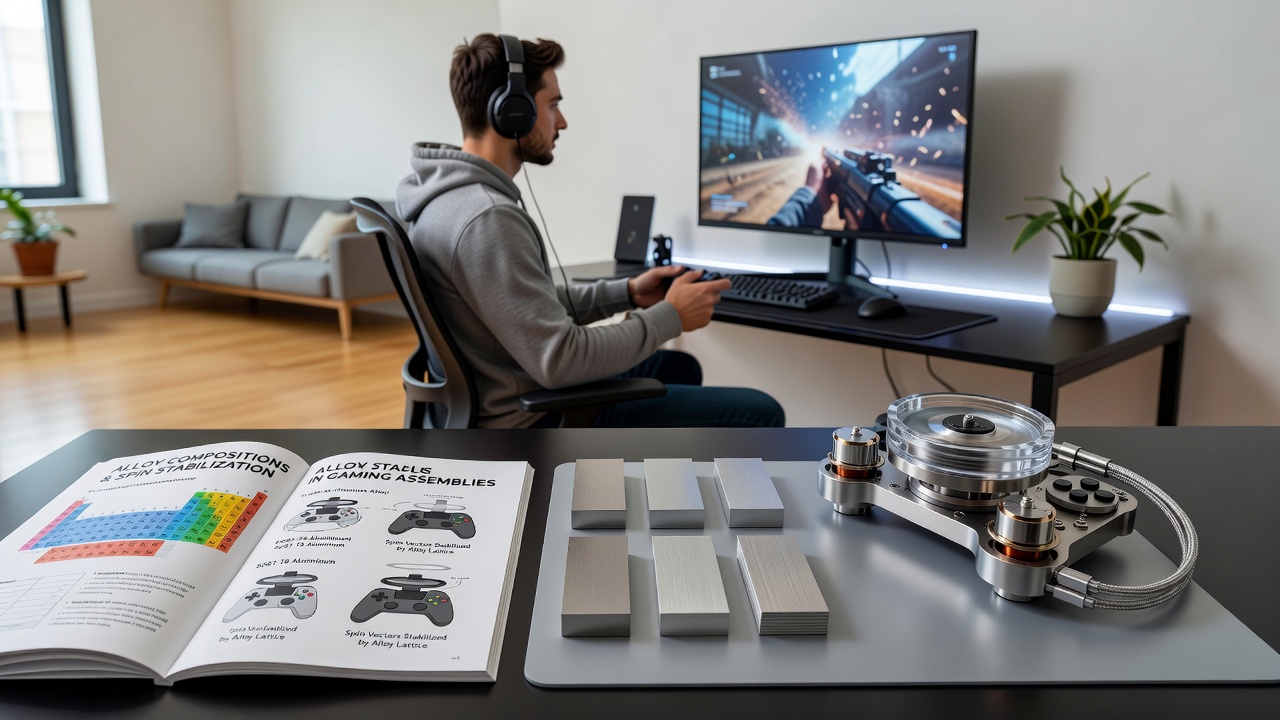
Precision Alloys and Their Impact on Roulette Wheel Balance in Compact Home Environments
Manufacturers select specific metal blends for roulette wheels because these materials directly influence spin consistency and reduce external vibrations that arise in smaller living spaces. Research from the Materials Research Society indicates that combinations of aluminum, stainless steel, and titanium alloys distribute weight evenly across the wheel structure, which minimizes wobble during extended play sessions.
Engineers test these compositions under controlled conditions to measure how density variations affect rotational speed and stopping patterns. Data from laboratory trials show that wheels incorporating 6061 aluminum alloys maintain steadier revolutions compared to those using standard carbon steel frames alone, because the lighter yet rigid properties counteract minor surface irregularities common in apartment flooring.
Key Elements in Alloy Selection for Residential Equipment
Stainless steel grades such as 304 and 316 appear frequently in hub and spindle assemblies since their corrosion resistance and tensile strength support repeated use without deformation. Titanium additions in rim sections further enhance balance because the metal offers high strength-to-weight ratios that prevent warping when temperatures fluctuate between heated indoor rooms and cooler storage areas.
Polymer reinforcements often integrate with these metal cores to dampen sound transmission, yet the primary stabilization comes from the alloy matrix itself. Observers note that precise casting techniques ensure uniform grain structures throughout each component, which eliminates internal stresses that could otherwise cause gradual drift in spin behavior over months of operation.
Performance Data from Controlled Testing Environments
Studies conducted at university materials laboratories reveal that alloy wheels achieve spin duration variances under 0.3 seconds across 500 consecutive trials when proper heat treatment protocols are followed. This consistency matters in apartment settings where limited table space requires equipment to perform reliably on uneven or carpeted surfaces without additional leveling devices.
Figures from the Canadian Gaming Association highlight how material certifications track alloy purity levels, ensuring that trace elements do not compromise magnetic or frictional properties during ball deceleration. Manufacturers apply these standards during production runs scheduled for late 2026, incorporating updated formulations that address both durability and acoustic performance.

Integration Challenges in Multi-Unit Living Spaces
Compact gaming assemblies often combine multiple table functions within one frame, which places additional demands on wheel mounting systems. Alloy selections must accommodate both fixed and modular configurations while preserving rotational integrity when users reposition equipment between living areas and storage.
Technicians measure resonance frequencies during assembly to identify which blends suppress harmonic vibrations most effectively. Evidence from field reports compiled by the Australian Casino and Gaming Association shows that wheels built with hybrid aluminum-titanium rims experience fewer interruptions from external foot traffic compared to all-steel models in similar residential tests.
Maintenance Practices That Preserve Alloy Performance
Regular cleaning with non-abrasive solutions prevents buildup that could alter surface friction coefficients on the wheel track. Storage guidelines recommend climate-controlled environments because prolonged exposure to humidity affects certain alloy interfaces even when protective coatings are applied during manufacturing.
Calibration checks performed quarterly confirm that balance points remain within manufacturer tolerances, with adjustments made using precision weights rather than material alterations. These procedures ensure continued spin stability across varying usage patterns typical of shared apartment gaming groups.
Conclusion
Alloy compositions serve as the foundational factor determining how consistently roulette wheels operate within apartment-based gaming assemblies. Material data collected across multiple regions demonstrates that targeted blends of aluminum, stainless steel, and titanium deliver measurable improvements in rotational steadiness and vibration resistance, supporting reliable performance in confined residential settings through November 2026 and beyond.