Precision Engineering Elevates Gaming Components in Recreational Events
Written by Anna Krüger · Jun 10, 2026
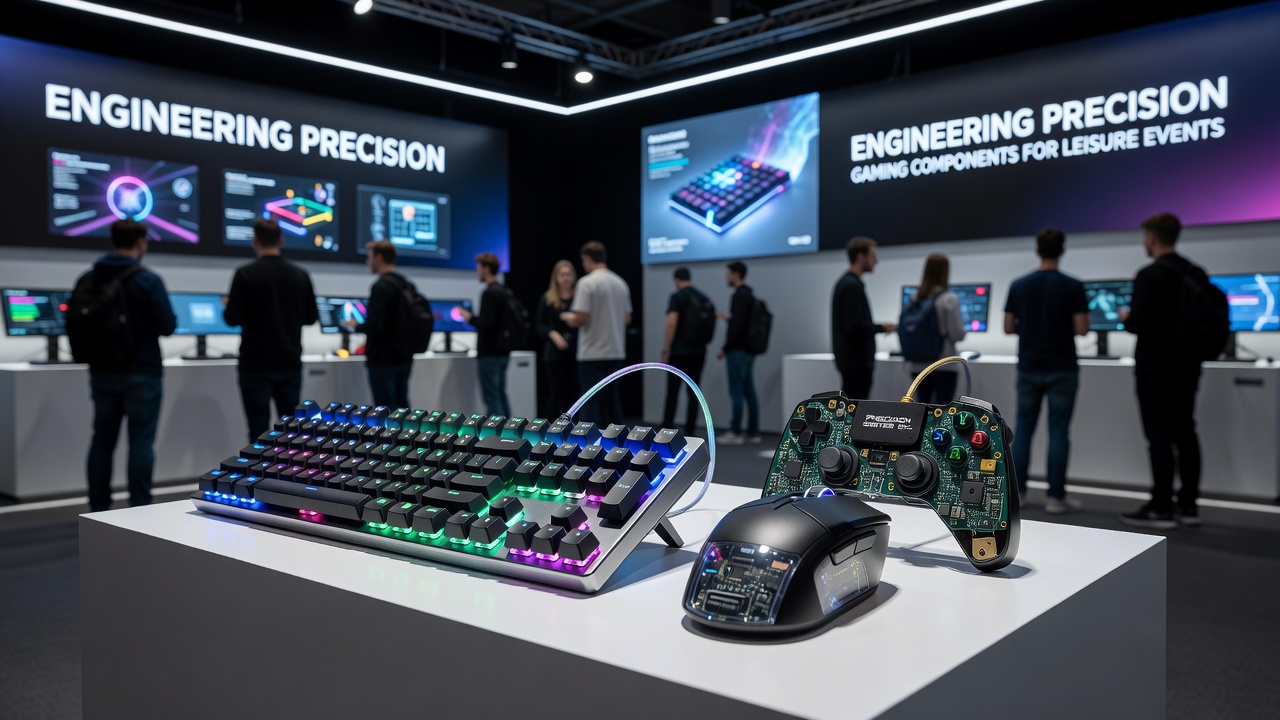
Precision Engineering Elevates Gaming Components in Recreational Events
Engineered tolerances in gaming components determine how consistently equipment performs during leisure gatherings, where players expect fair outcomes without mechanical variances disrupting play. Manufacturers apply computer numerical control machining alongside polymer science to produce items such as chips, wheels, and tables that maintain dimensional stability across repeated use. Data from industry reports indicate that deviations as small as 0.1 millimeters in chip thickness can alter stacking behavior and perceived value during extended sessions.
Material Selection and Dimensional Control
Aluminum alloys combined with high-density resins form the basis for many modern components, selected because their thermal expansion coefficients remain low enough to prevent warping when stored in varying indoor conditions. Researchers at materials laboratories measure these properties using laser interferometry, confirming that finished pieces stay within 0.05 millimeter specifications after exposure to typical household temperature swings. Observers note that such consistency matters most in portable setups where equipment travels between venues and encounters different humidity levels.
Manufacturing Processes Behind Reliable Equipment
CNC milling stations create roulette wheel pockets with identical depth profiles, while injection molding presses produce chips featuring edge patterns that resist counterfeiting attempts. Automated vision systems scan each batch and reject any unit falling outside established parameters, a step that industry associations report reduces defect rates below 0.3 percent in certified production lines. Those who study supply chains find that facilities adopting these protocols often achieve repeat orders from event organizers seeking dependable stock for multi-day tournaments.
Testing Protocols and Certification Standards
Calibration routines involve spin tests under controlled conditions, recording revolution counts and deceleration curves to verify wheel balance. Separate protocols assess chip weight distribution using precision scales accurate to 0.01 grams, ensuring no single piece deviates enough to influence probability calculations. According to findings published by the Gaming Standards Association, standardized testing regimens have become reference points for manufacturers supplying equipment across North America and Europe.
One production facility documented a case where recalibrating a single press reduced variance in chip diameter from 0.4 millimeters to 0.08 millimeters, resulting in smoother handling reported by users at subsequent leisure events. Such adjustments illustrate how incremental engineering changes translate directly into operational reliability without requiring changes in gameplay rules.
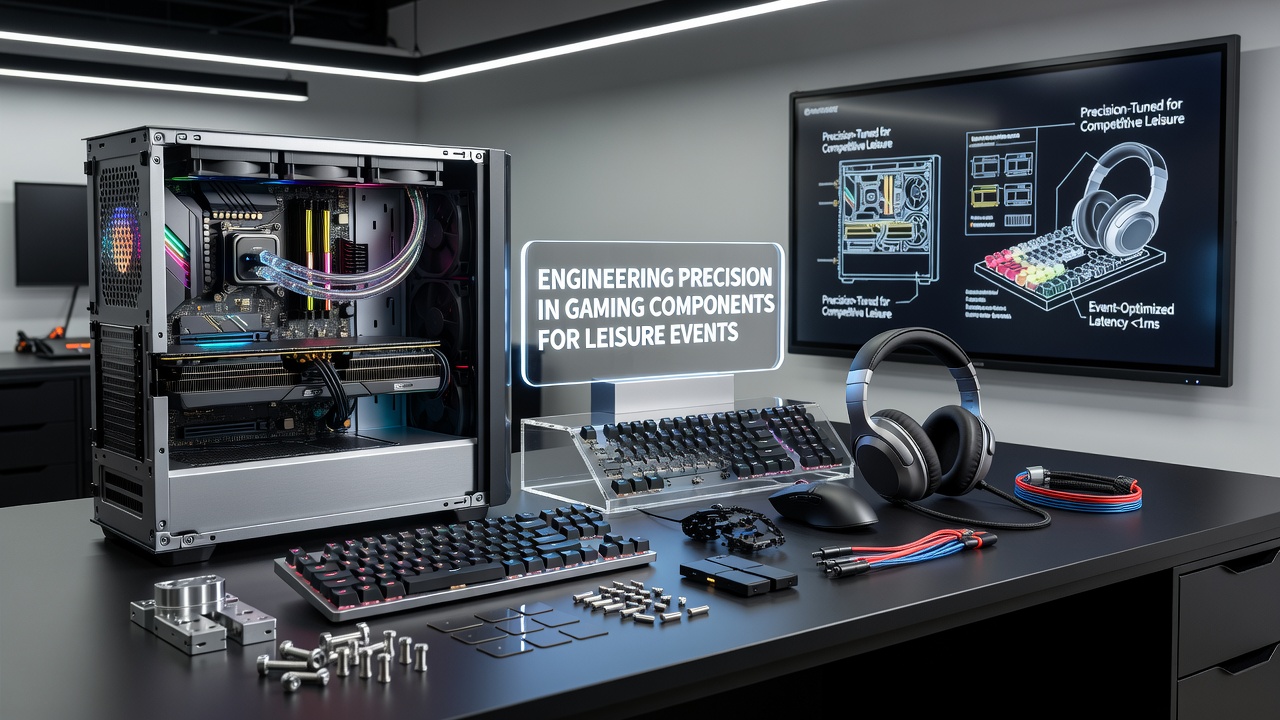
Applications at Leisure Events and Gatherings
Event planners increasingly specify components built to these tolerances when setting up temporary casino areas for corporate functions or private celebrations. Foldable tables with reinforced frames maintain surface flatness within 1 millimeter across their length, supporting card dealing without noticeable tilt. Roulette wheels fitted with low-friction bearings operate quietly enough for apartment venues, while their calibrated pockets maintain random distribution patterns verified through statistical sampling.
Figures released by the Western Australia Department of Justice show steady growth in licensed leisure equipment suppliers meeting these engineering benchmarks between 2024 and 2026, with June 2026 data reflecting continued demand for portable yet precisely manufactured sets. Organizers attribute part of this trend to participant feedback emphasizing consistent performance over multiple sessions.
Quality Assurance Across Production Batches
Batch testing protocols require random sampling at multiple production stages, followed by documentation that traces each component back to its raw material lot. This traceability helps facilities identify and correct process drifts before they affect finished goods. Experts in quality management observe that companies maintaining these records experience fewer returns and higher satisfaction metrics from leisure market clients who reuse equipment seasonally.
Precision also extends to ancillary items such as card shoes and chip trays, where molded compartments align exactly with standard card dimensions to prevent jamming during rapid dealing. These details accumulate into overall event flow, reducing interruptions that might otherwise arise from equipment inconsistencies.
Conclusion
Engineering precision in gaming components rests on measurable specifications, controlled manufacturing, and systematic verification rather than ad hoc adjustments. As leisure events continue to incorporate these items, adherence to established tolerances supports repeatable performance across diverse settings and equipment configurations. Continued refinement in materials and processes keeps pace with evolving requirements for portable and durable recreational gear.